Ray Price – “For The Good Times”
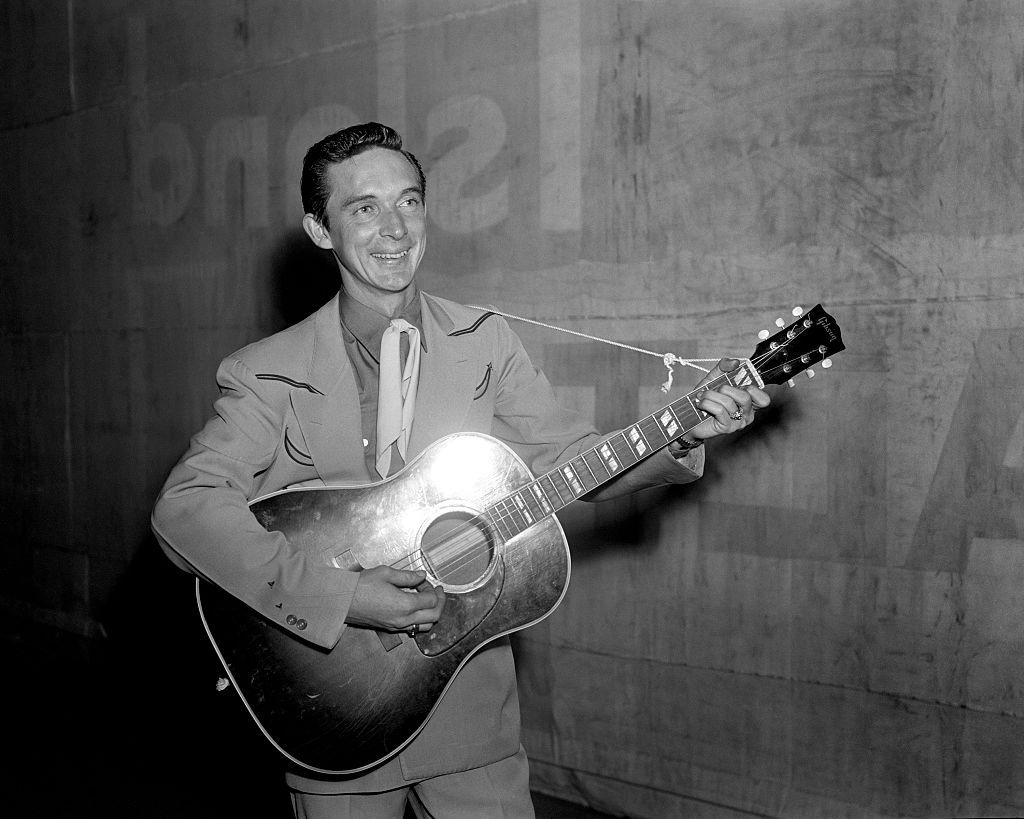
By 1970, Ray Price had already helped define the sound of country music. His earlier records, including “Crazy Arms,” “Heartaches by the Number” and “City Lights,” were rooted in honky-tonk and the Texas shuffle. But with “For the Good Times,” Price showed another side of his voice—and scored one of the biggest songs of his career.
The song was written by Kris Kristofferson, who was still establishing himself as one of Nashville’s most important new songwriters. Kristofferson wrote “For the Good Times” in 1968, during a period when he was struggling to make a living as a songwriter while also flying helicopters to offshore oil rigs in the Gulf of Mexico. He later recalled that the idea came to him while driving, as he imagined the emotional final moments between two people whose relationship was ending.
The song had actually been recorded before Price got to it. Bill Nash made an early recording in 1968, and Kristofferson included his own version on his 1970 debut album. But it was Ray Price who turned “For the Good Times” into a standard.
Price recorded the song on March 16, 1970, at Columbia Recording Studio in Nashville, with longtime producer Don Law. Instead of the fiddle-and-steel-driven approach associated with Price’s earlier hits, the recording surrounded his remarkably smooth voice with strings and a sophisticated orchestral arrangement. It was a perfect example of the lush Nashville Sound/Countrypolitan style Price had increasingly embraced during the late 1960s.
And what a lyric Price had to work with. “For the Good Times” isn’t an angry breakup song. It’s about two people who know their relationship is over but decide to share one last intimate moment before saying goodbye. Kristofferson’s writing is remarkably adult and understated, and Price sings it the same way—without overselling the sadness.
The result was enormous. “For the Good Times” reached No. 1 on the country chart and crossed over to No. 11 on the pop chart, giving Price his first country No. 1 since “The Same Old Me” more than a decade earlier. The album For the Good Times also reached No. 1 on Billboard’s country album chart and became the best-selling album of Price’s career.
The record was important for Kristofferson, too. Price’s success helped introduce his songwriting to an even wider audience just as songs like “Sunday Mornin’ Comin’ Down,” “Me and Bobby McGee” and “Help Me Make It Through the Night” were establishing him as one of Nashville’s great new writers. Kristofferson’s official history describes Price’s recording as one of the singer’s signature songs.
“For the Good Times” would later be recorded by numerous artists, including Al Green, but Ray Price’s version remains the definitive country recording. More importantly, it marked an extraordinary second chapter in Price’s career. The man who helped perfect the hard-country Texas shuffle proved he could sound equally convincing in front of an orchestra.
More than half a century later, “For the Good Times” still works because neither Price nor Kristofferson tried to make heartbreak overly dramatic. It’s quiet, mature and painfully human—the sound of two people knowing something is finished, but wanting to remember what was good about it one last time.


