Barbara Mandrell – “Married, But Not To Each Other”
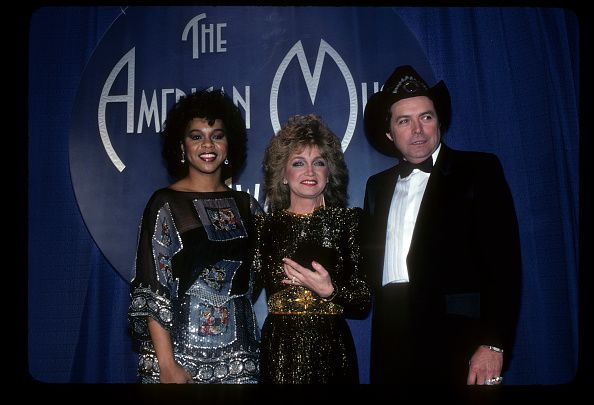
By 1977, Barbara Mandrell was on the verge of becoming one of country music’s biggest stars, and “Married, But Not to Each Other” became one of the songs that helped launch her into country music’s top tier. While the song is closely associated with Mandrell today, it actually began life in the R&B world.
The song was written by soul singer-songwriter Denise LaSalle and Francis Miller, with LaSalle first recording it in 1976. Her version reached the Top 20 on Billboard’s R&B chart, telling the emotional story of two people who have fallen in love despite being married to other people. Rather than glamorizing infidelity, the lyrics explore the guilt, heartbreak, and emotional conflict that come from loving someone you can’t truly be with.
When Barbara Mandrell signed with ABC/Dot Records, producer Tom Collins began steering her toward a more contemporary country sound that blended traditional country with R&B and pop influences. Collins recognized that “Married, But Not to Each Other” was a perfect fit for Mandrell’s expressive voice and emotional delivery. Mandrell recorded the song in September 1976, bringing a distinctly country interpretation while preserving the soulful heart of the original.
Released as a single in March 1977, the song quickly became Mandrell’s biggest hit to that point, climbing to No. 3 on the Billboard Hot Country Singles chart and matching that success in Canada. It also appeared on her album Lovers, Friends and Strangers, further establishing her as one of Nashville’s fastest-rising female artists.
The success of “Married, But Not to Each Other” marked an important turning point in Mandrell’s career. It proved that audiences embraced her unique blend of country, soul, and pop influences, a sound that would soon produce an incredible string of hits including “Woman to Woman,” “Sleeping Single in a Double Bed,” and (If Loving You Is Wrong) I Don’t Want to Be Right. Those recordings would eventually make Mandrell one of the defining country stars of the late 1970s and early 1980s.
What makes “Married, But Not to Each Other” endure is its honesty. Instead of offering simple answers, the song presents the emotional consequences of forbidden love from the perspective of two people trapped by circumstance. Mandrell’s heartfelt vocal performance gives the story a sense of vulnerability and regret, making listeners sympathize with characters who know their relationship can never truly work.
Nearly 50 years after its release, the song remains one of the recordings that helped define Barbara Mandrell’s rise to country superstardom. It showcased her ability to bridge musical genres, interpret emotionally complex material, and connect with audiences through sincerity—qualities that would soon make her one of country music’s most celebrated entertainers.


