Tim McGraw – ‘Indian Outlaw’
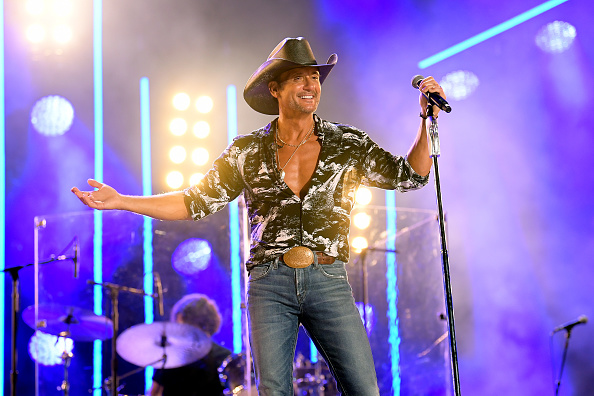
‘Indian Outlaw’ was the breakthrough hit that helped launch Tim McGraw into country music superstardom, but it also became one of the most controversial songs of the 1990s. Released in 1994 as the lead single from McGraw’s second album Not a Moment Too Soon, the song introduced audiences to the young singer’s energetic style and playful personality while sparking debates about cultural stereotypes and representation.
Written by songwriter Tommy Barnes, ‘Indian Outlaw’ was built around a catchy rhythm and humorous lyrics about a man claiming Native American heritage while describing a free-spirited lifestyle. The song blended country instrumentation with drum patterns and chants meant to evoke a tribal atmosphere, helping it stand out from other songs on country radio at the time.
Before ‘Indian Outlaw,’ Tim McGraw was still struggling to establish himself in Nashville. His self-titled debut album in 1993 produced little commercial success, and his label was looking for a stronger single to help him break through. When ‘Indian Outlaw’ was released, it immediately grabbed attention because it sounded different from nearly everything else on country radio.
The song became a massive commercial success, climbing into the Top 10 on the Billboard country charts and helping propel Not a Moment Too Soon into one of the best-selling country albums of the decade. The album would eventually produce several major hits and transform McGraw into one of country music’s biggest stars.
However, the song’s popularity also came with criticism. Some Native American groups and listeners argued that the lyrics relied on stereotypes and insensitive portrayals of Indigenous culture. Radio stations in certain markets briefly pulled the song from rotation, while others defended it as lighthearted entertainment without malicious intent. The controversy generated even more publicity, which ironically helped increase interest in both the song and McGraw himself.
Despite the debate, ‘Indian Outlaw’ remains an important part of Tim McGraw’s career history because it marked the moment when he first became a major national star. It also reflected a period in country music when novelty songs and character-driven storytelling often thrived on radio.
Over time, McGraw’s career evolved far beyond the playful style of ‘Indian Outlaw.’ He went on to become known for emotional ballads, arena-sized country hits, and crossover success. Still, the song remains a memorable piece of ’90s country history — both for its commercial impact and for the conversations it sparked about representation in popular music.


