The Dangerous Legacy of David Allen Coe
David Allen Coe was never the polished poster boy of Nashville and that’s exactly why his shadow looms so large over country music. While the industry was busy ironing its shirts and softening its edges, Coe kicked the door in with a snarl, a story and a sound that felt too real to fake.
In the gritty rise of outlaw country, alongside names like Willie and Waylon, Coe carved out a reputation as the genre’s ultimate wild card. He didn’t just sing about heartbreak and hard living, he embodied it. Prison time, biker gangs and a life lived on the fringe gave his music an authenticity that couldn’t be manufactured in any studio. Fans didn’t just listen; they believed him.
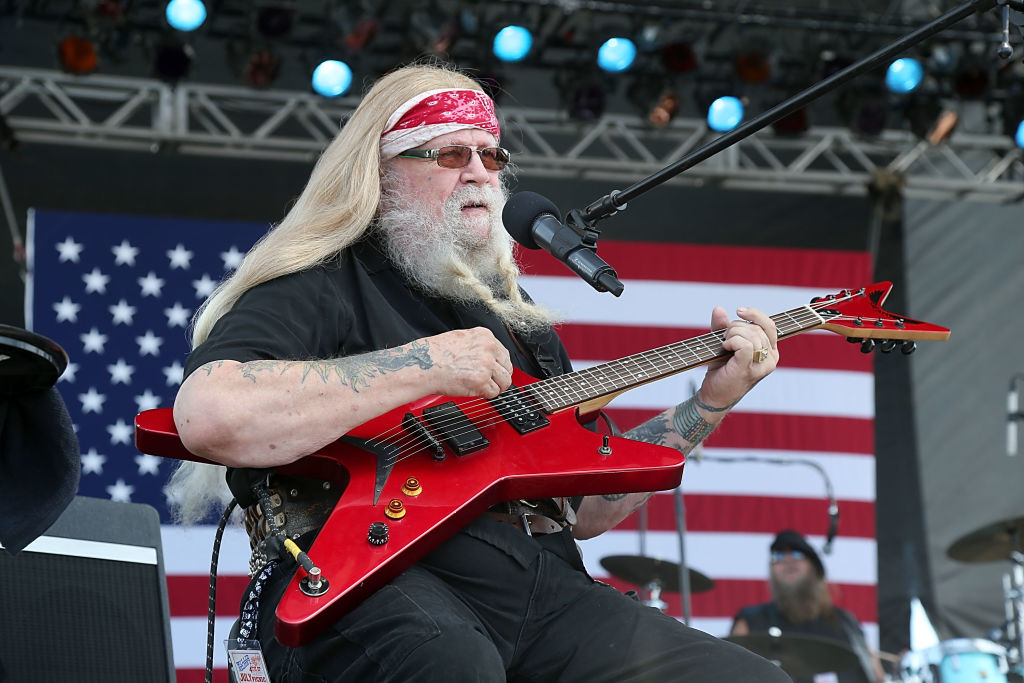
But here’s where the legend turns controversial. Coe’s catalog isn’t all radio-friendly rebellion. Beneath the hits like “You Never Even Called Me by My Name” lurks a vault of explicit, offensive material that has kept his name tangled in debate for decades. Critics have slammed him; stations have banned him. Yet somehow, that infamy only fed the myth. In true outlaw fashion, Coe never apologized for refusing to play by the rules.
And that’s the paradox: his rough reputation both damaged and defined his legacy. To some, he crossed lines that shouldn’t be crossed. To others, he was one of the last artists willing to risk everything, career, image, respectability, for raw expression.
What can’t be denied is his influence. Coe helped cement the idea that country music didn’t have to be clean-cut to be powerful. He proved it could be dangerous, messy and brutally honest. Today’s rebels, from underground Americana acts to mainstream stars flirting with outlaw aesthetics and owe a quiet debt to the man who made controversy part of the brand.
Love him or loathe him, Coe remains one of country’s most unpredictable forces and a living reminder that sometimes the artists who make the biggest impact are the ones who refuse to behave. R.I.P.

