Dottie West – ‘What Are We Doin’ In Love’
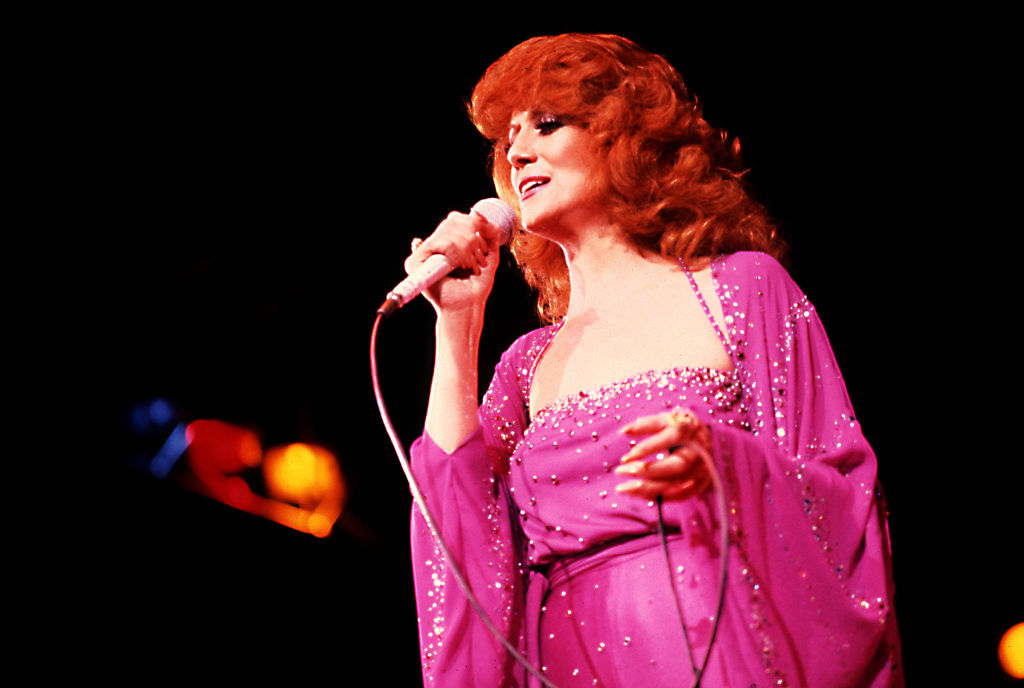
Released in 1981, ‘What Are We Doin’ in Love’ marked one of the most important moments in the late-career resurgence of Dottie West. By this point, West had already spent nearly two decades in country music, but her biggest commercial success came during her collaborations with Kenny Rogers—and this song became the crown jewel of that partnership.
Written by songwriters Randy Goodrum and Bob Morrison, ‘What Are We Doin’ in Love’ was crafted as a smooth, contemporary country duet with strong pop sensibilities. That blend of styles was key to its success, as country music in the early 1980s was increasingly crossing over into mainstream pop audiences. The track appeared on West’s album Wild West, which leaned heavily into that polished “countrypolitan” sound—lush production, layered instrumentation, and emotionally accessible lyrics.
The song tells the story of two people caught in a relationship that feels both inevitable and uncertain. Instead of a straightforward love song, it explores vulnerability and confusion, asking the central question: are they falling in love, or just drifting into something they don’t fully understand? That emotional tension is what gave the duet its depth. West’s warm, expressive delivery pairs perfectly with Rogers’ relaxed, conversational style, creating a believable dialogue between two people navigating complicated feelings.
Upon its release, ‘What Are We Doin’ in Love’ became a major hit, climbing to No. 1 on the Billboard Hot Country Singles chart. It was particularly significant for West, as it became the only solo No. 1 hit of her career as a lead artist, even though she shared it with Rogers. The song also performed well on adult contemporary charts, further highlighting its crossover appeal.
More broadly, the success of ‘What Are We Doin’ in Love’ helped solidify West’s comeback era in the late ’70s and early ’80s, following earlier duets like ‘Every Time Two Fools Collide.’ It also reinforced the popularity of male-female duets in country music during that time, a trend that would continue throughout the decade.
Today, the song stands as one of Dottie West’s most recognizable recordings—a timeless example of how storytelling, chemistry, and a perfectly matched vocal pairing can turn a simple question into a lasting country classic.


