Keith Whitley – ‘Don’t Close Your Eyes’
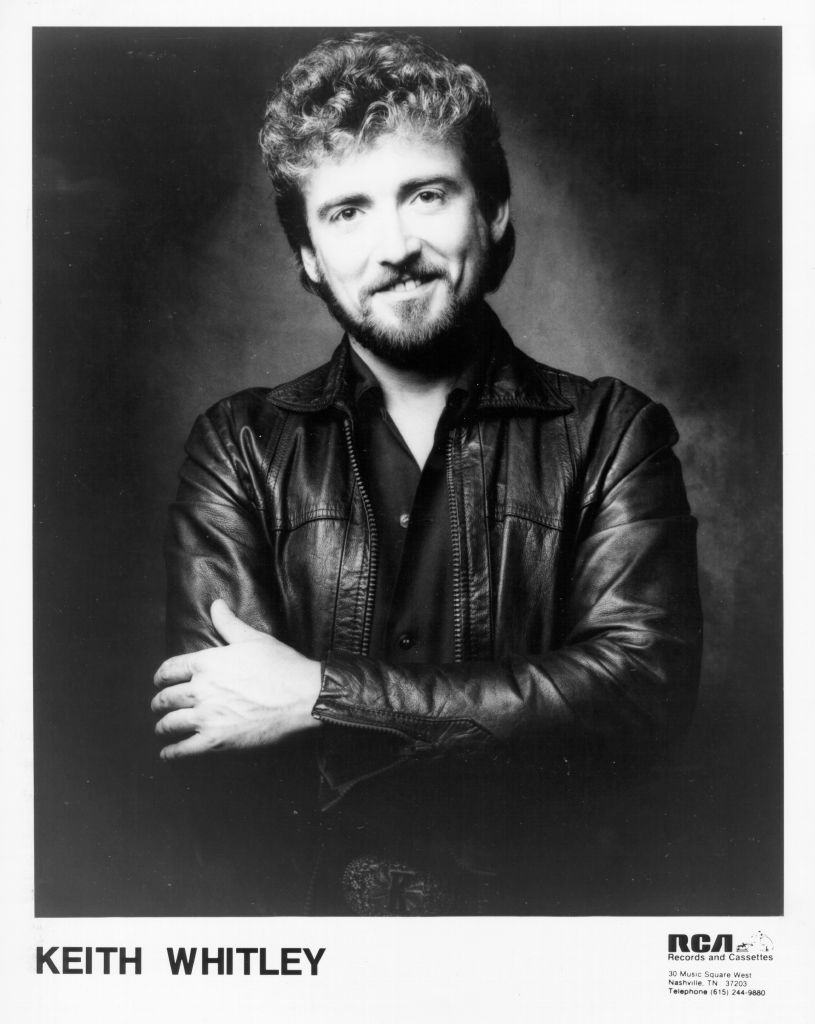
Few country songs capture heartbreak with the raw sincerity of Keith Whitley’s ‘Don’t Close Your Eyes.’ Released in 1988, the song would become his first No. 1 hit on the Billboard Hot Country chart, but its deeper story is intertwined with both its writers and Whitley’s own emotional life.
‘Don’t Close Your Eyes’ was written by accomplished songwriters Bob McDill and Jim Weatherly. The pair crafted a lyric that flips a common romantic trope on its head. Instead of longing for a lover, the narrator pleads with his partner not to pretend he’s someone else during an intimate moment. It’s a strikingly vulnerable premise—one that resonated because it spoke to insecurity, love, and quiet desperation in a way country music hadn’t often explored so directly.
When Whitley recorded the track for his album Don’t Close Your Eyes, he brought a level of emotional authenticity that elevated the song even further. Known for his smooth yet aching vocal style, Whitley had lived a life marked by both professional promise and personal struggle. His battle with alcoholism and the pressures of the music industry often colored his performances, and listeners could feel that lived experience in every line he sang.
The recording itself is understated, allowing Whitley’s voice to take center stage. There’s a gentle build in the instrumentation, but it never overshadows the vulnerability of the lyric. That restraint is part of what made the song so powerful—it felt intimate, almost like a private confession set to music.
Tragically, just a year after the song’s success, Whitley passed away in 1989 at the age of 33. In the wake of his death, ‘Don’t Close Your Eyes’ took on an even deeper meaning. Fans and critics alike began to hear it not just as a love song, but as a haunting expression of longing and emotional fragility.
Today, ‘Don’t Close Your Eyes’ remains a cornerstone of traditional country music, often cited as one of the genre’s most heartfelt ballads. It stands as both a testament to great songwriting and a lasting tribute to Keith Whitley’s extraordinary ability to make listeners feel every word he sang.

