“Urban Cowboy” Saved Country Music
“Urban Cowboy” Saved Country Music – And Made It Cool Again!
How One Movie Put Rhinestones, Two-Steppin’ and Real Emotion Back on the Map
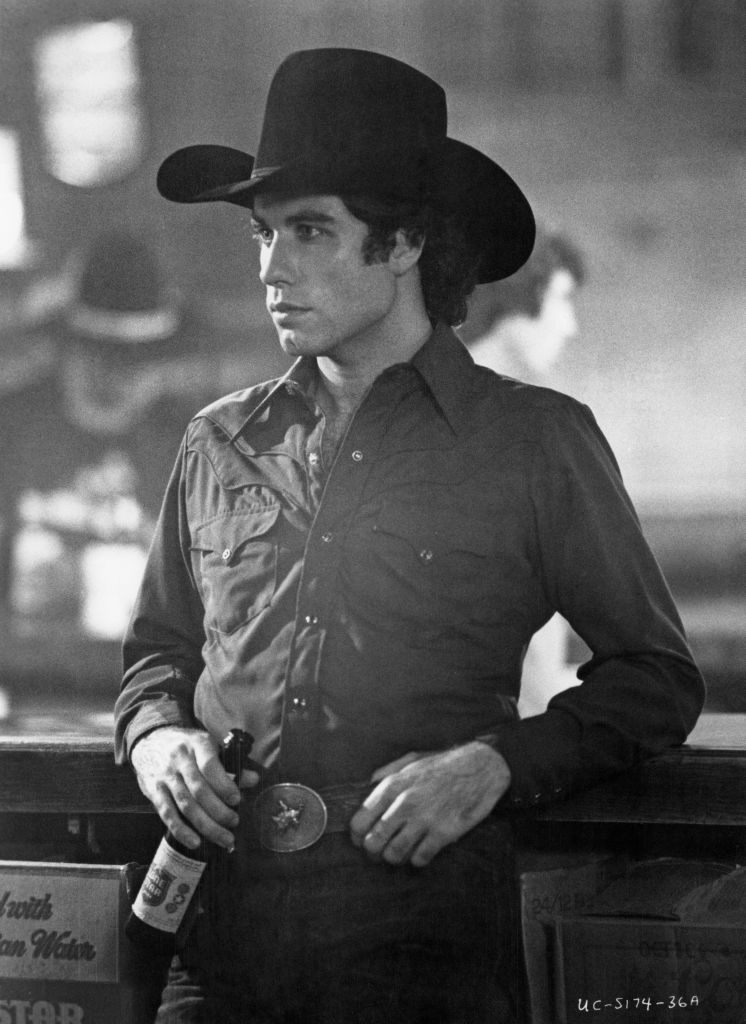
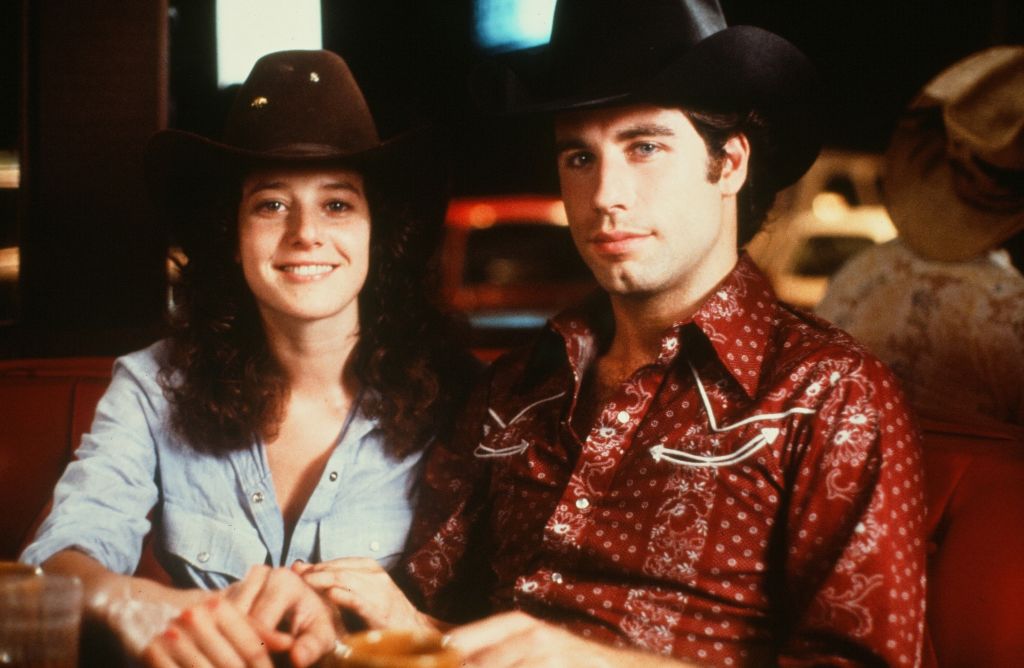
Back in 1980, something wild happened. John Travolta traded disco lights for honky-tonk neon, and with one swing of a mechanical bull, Urban Cowboy boot-scooted country music out of the backwoods and into the big leagues. For a 50-year-old guy who remembers when a hat and boots meant something, Urban Cowboy wasn’t just a movie, it was a movement.
Before Travolta put on that Stetson, country music was in a weird spot. It was either twangy heartbreak songs from your granddaddy’s radio or outlaw rock from guys like Waylon and Willie. After Urban Cowboy, everything changed and fast.
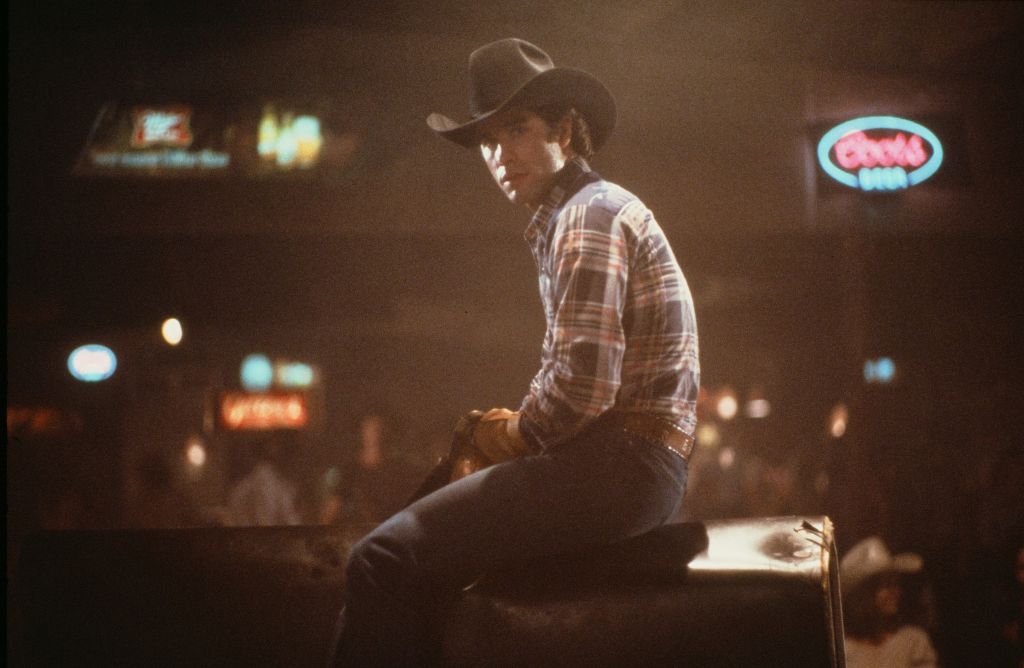
The film, set in the now-legendary Gilley’s bar in Pasadena, it turned mechanical bulls into rock stars, and made urbanites want to drink longnecks while listening to steel guitars. Country went mainstream and it didn’t apologize for it. Suddenly, everyone from New York to L.A. was boot-shopping and learning how to two-step. Country got polished and radio-friendly .
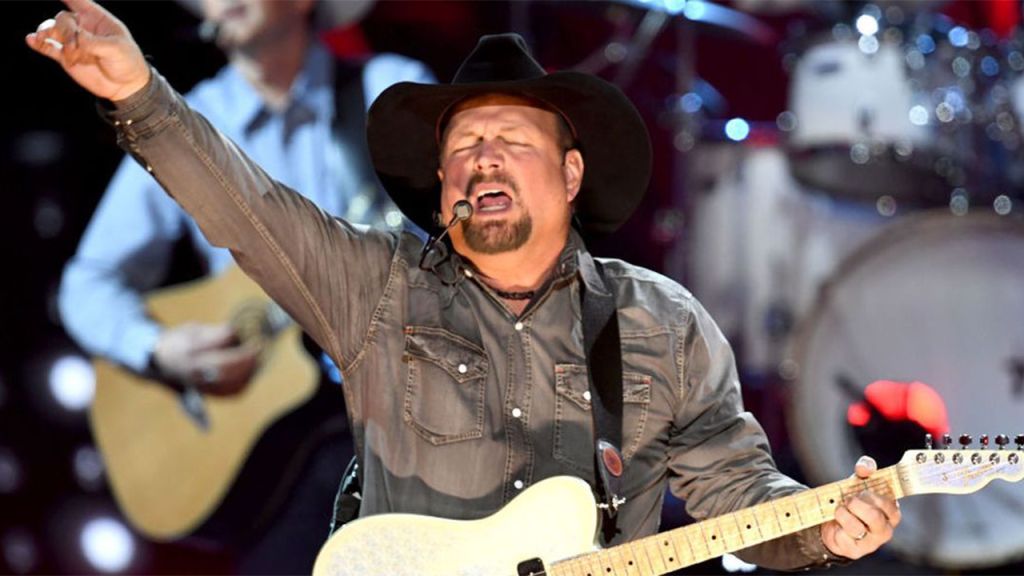
Thanks to Urban Cowboy, artists like Mickey Gilley, Johnny Lee and even Kenny Rogers found themselves on pop charts. The film kicked open the saloon doors to what we now call “crossover country” because without it, there is no Brooks & Dunn, no Shania, no Garth. It paved the way for a generation of country stars who could pack arenas and hit the Billboard Hot 100.
Sure, some purists grumbled, but let’s be honest, Urban Cowboy didn’t kill “real” country. It kept it alive by giving it a new audience. It made it relevant. It made it cool and for guys like you, who remember the sound of boots on a sawdust floor and the thrill of a good slow dance, it brought a lifestyle front and center.
So tip your hat to Urban Cowboy. It wasn’t just a flick, it was a cultural stampede that reminded the world that country music’s heart beats strongest in a Texas bar with a cold beer and a broken heart.